 Seven Sins Test
7 Deadly Sins Test
Which habit gets the last word? Think back to the choices you made this week.
14 questions · 7 scores · No sign-up
Question 1 of 14
A teammate spots an error in a draft I wrote. My first move is to defend my version.
How often does this sound like you?
Never · Rarely · Sometimes · Often
- Answer 14 statements
- Choose See my results
- Read your seven scores
About 2 minutes. Nothing to install, no email. Read how the test works
No account or ads. Your quiz answers stay in this browser tab.
What each of the seven deadly sins means
Pick a print to explore its meaning.
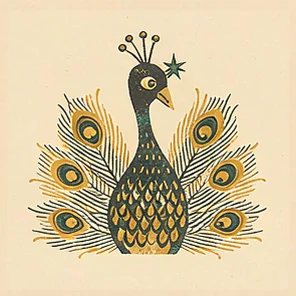 Pride
The peacock. You like people to see the effort behind a finished piece. When a teammate points out a mistake, that same instinct can make it hard to hear the correction. Try thanking them first and see where the conversation goes.
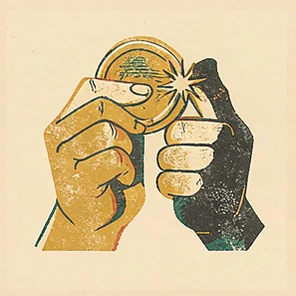 Greed
The last coin. Keeping a spare can feel reassuring. This score asks what happens when the spare stays in your pocket while somebody else is waiting. At your next group meal, notice when everyone has had a first helping.
 Lust
The pierced heart. A crush can make an ordinary afternoon feel electric. Notice when planning your next move takes more attention than hearing what the person in front of you wants. Try asking a question and staying for the whole answer.
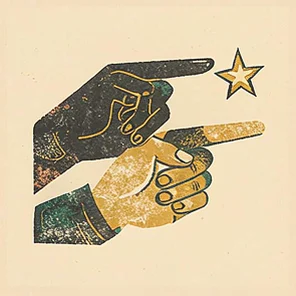 Envy
The pointing hands. A friend's good news brings your own ambitions into focus. Identify what you wanted about their opportunity. More time to write, for example, gives you a clearer next step than trying to catch up with their entire career.
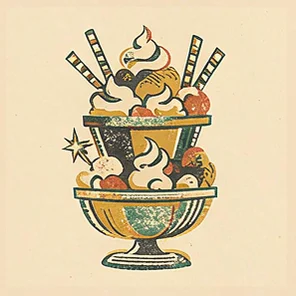 Gluttony
The towering sundae. The next scoop or episode can be easy to reach for after the fun has faded. Remember the last round you genuinely enjoyed. What sign told you it would have been a satisfying place to stop?
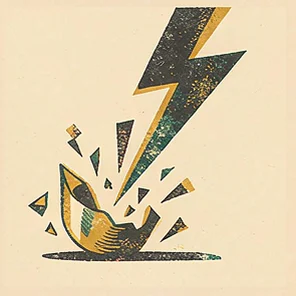 Wrath
The shattered cup. A sharp reply can carry the force of a whole frustrating day. Before you send it, underline the sentence that asks for what you need. Would that one sentence work on its own?
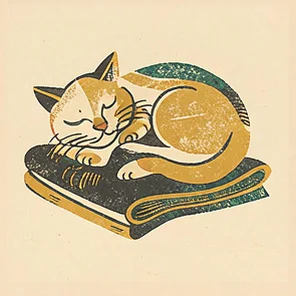 Sloth
The sleeping cat. This theme concerns a manageable task you have time and energy for. Think of a message you keep putting off. Opening the conversation and writing the first line may be all it takes to get moving.
Two themes tied for first? Read the reflections for both. If all seven scores are close, this short run gives you little reason to single out one habit. Start with a situation you remember clearly, or take the test again another day.
How the test works
- Answer 14 everyday prompts. Think about a recent week and choose Never, Rarely, Sometimes, or Often for each situation. If a prompt sounds like something you would do at work but rarely at home, pick one setting and use it for the whole test. You can go back to change a choice before you finish.
- Add two answers per theme. Never counts for 0 points, Rarely for 1, Sometimes for 2, and Often for 3. Each choice contributes to one theme and each theme has two equally weighted questions. For example, Rarely on one pride prompt and Often on the other give pride a score of 4.
- Read your seven scores from 0 to 6. A 0 means you chose Never twice and a 6 means you chose Often twice. A total of 4 can come from Often plus Rarely or from Sometimes twice. If the same score came from very different answers, go back to the individual prompts for context.
- Keep every tie. If pride and envy both score 4 and every other score is lower, both are shown as your top result. If you choose the same answer throughout, all seven totals match. You can still start with whichever reflection reminds you of a real event.
Pick one situation from your week to reflect on. What did you do, and what would you try next time? The results describe your responses to these prompts and carry no clinical or moral judgment.
Seven deadly sins test guides
How the scoring works ↗What your seven results mean ↗Seven deadly sins and virtues examples ↗Seven deadly sins test alternativesWhere the seven deadly sins come from
The seven deadly sins are a list of recurring vices in Christian moral theology. The familiar names are pride, greed, lust, envy, gluttony, wrath, and sloth. The Catechism of the Catholic Church, paragraph 1866, calls them capital sins because one vice can lead to others. It uses avarice for greed and also gives acedia as a name associated with sloth.
The list changed over time. As Britannica’s history of the seven deadly sins explains, the fourth-century monk Evagrius Ponticus described eight patterns that could disrupt a monk’s spiritual practice. Gregory the Great set out an influential seven-part list in the sixth century. Later writers explored the categories in different ways. In Dante’s Purgatorio, for example, the seven vices organize the terraces of a mountain.
This quiz uses the traditional names for everyday situations. A prompt about envy asks what happens when you hear good news from a friend, while a prompt about greed asks how much you take when supplies are limited. The scores come from your answers to those scenarios. The original religious framework deals with a broader question of how a repeated disposition shapes later choices.
Sources: Catechism of the Catholic Church §1866 and Encyclopaedia Britannica, “Seven deadly sins”. Updated .
Questions about the test
Is the test free, including the full results?
Yes. All 14 questions are free. The result screen shows all seven scores, each from 0 to 6, with a note for each score. You can see everything without creating an account or paying. Saving a result image is optional.
Do I need to sign up or give an email address?
You can take the test and see your scores without an account, email address, or password. Your answers stay in the open browser tab. Reloading or closing the tab clears the current run.
Which of the seven deadly sins am I?
Choose the answer closest to what you actually did in each of the fourteen situations. On the last question, select See my results. Your highest total identifies the pair of statements you recognized most often. The scorecard keeps all seven totals so you can see how close the others came.
What if my top two scores tie?
Both get top billing. Suppose pride and envy each score four out of six. You may recognize wanting credit in one situation and comparing yourself with a friend in another. Read both prints and choose the example that reminds you of something specific this week.
Can I change an answer after seeing my result?
Yes. Choose Review my answers on the scorecard. Use Back to reach the statement you want, change your selection and step through to the result again. The new choice replaces the previous one. Take the test again clears the whole run if you would prefer a fresh start.
Can a friend see my score?
You decide what to send. The result link shows your top themes and lets your friend start a fresh test. The downloadable image also shows your highest score. To share all seven scores, choose Copy my scorecard. Your individual answers stay in the open tab and reloading clears them.
Does a score of six mean I do something all the time?
Six means you chose Often on the two statements assigned to that theme. Picture two other situations and you may answer differently. Read the two prompts again before interpreting a result that surprises you. The score measures agreement with this short set of situations, without comparing you with other visitors.
How accurate is a 14-question test?
Each theme has two questions. Each answer earns 0 to 3 points, giving a theme score of 0 to 6. The test uses no population norms, so a 5 does not tell you how many people scored lower. Use it to recall a specific situation and think through your response. The test cannot diagnose a condition. Read how the seven deadly sins test is scored.
Is this the same as the anime?
The quiz borrows its categories from the traditional list of seven deadly sins. Each result describes a pattern in your answers to everyday situations, such as how you react when a teammate catches a mistake. The illustrated scores represent seven habits, and the test has no connection to the manga or anime series.
How many questions does it take?
The test has 14 questions with four choices each. Each of the seven themes appears twice. You can take the questions at your own pace and go back to change an answer. After question 14, choose See my results to see all seven scores.
Can I take the test on my phone?
Yes. On a phone the questions, the four choices and the seven-score scorecard all fit in portrait: each situation sits on its own card and the choices become a two-column set of tall buttons, so answering needs no typing. A full run on a phone on 19 November 2026, from question 1 to the scorecard and the share step, worked. The shared text arrives as plain text with all seven scores, for example "My seven scores Pride: 2/6 Greed: 4/6 Lust: 0/6 Envy: 5/6 Gluttony: 5/6 Wrath: 1/6 Sloth: 3/6". Saving the result image and Copy my scorecard sit on the same result screen.
How is this different from the IDRlabs test or MBTI?
This test has 14 questions and shows your full results for free without an account, while the IDRlabs test has 35 questions. Your seven scores reflect everyday habits, while MBTI groups preferences into personality types. Compare seven deadly sins tests.